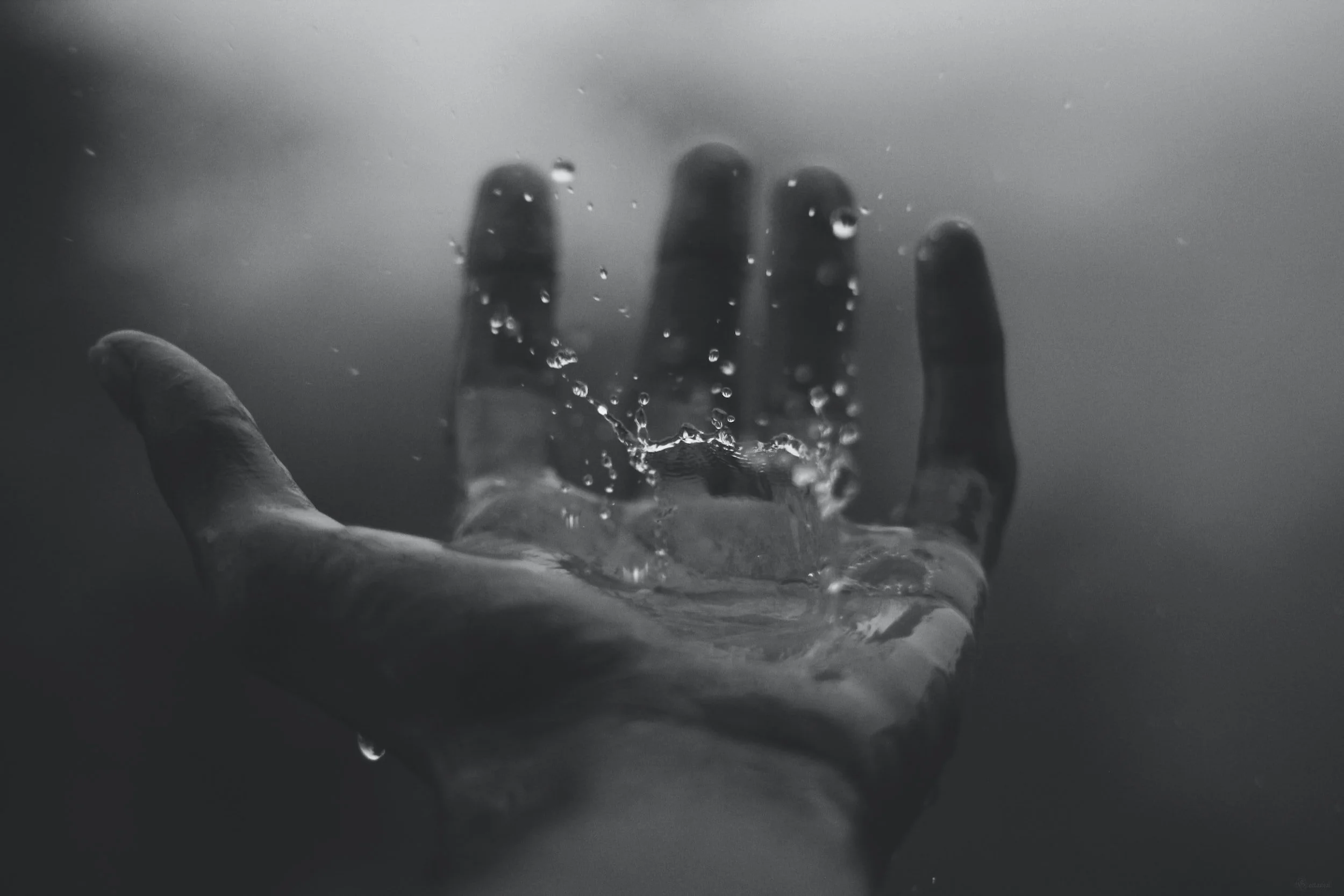
Rain Capture
No matter where you live, collecting the rain can bring a number of benefits. From the savings associated with lower water bills to lowering your ecological footprint, rainwater can assure a quality supply of water for your home, and there are many reasons to consider investing in a professional rain capture system for your home or business.
There are two main approaches when it comes to rain capture.
The first one is called “rain tanking” whereby all you need is a tank, a few pipes and gutters, and of course some rain.
Rainwater is captured via a roofing structure (like that which already exists at your home) and rainwater is channeled via existing or newly installed gutters into pipes that feed the water tank where the rainwater is stored. Stored water is accessed at the tap situated near the bottom of the tank. This setup is best suited for uses such as basic hand-watering for your garden, or use elsewhere like for household cleaning or flushing of toilets where the main municipal water supply is for any reason interrupted. Some may see the rain tanking method of water capture as “water insurance” or “emergency water” for their homes.
However, the basic water tanking approach to collecting rainwater may not allow you to collect enough water for your requirements, and even if you do get the volume of water you need, this method may compromise your water’s quality, or you may be without an effective and efficient way of using it in all the areas and for all the applications that make sense to you.
The second approach to rain capture is called “rain harvesting” and involves a lot more rain capture system design. The design of your rain capture system will depend on a number of factors such as your situational needs (water volumes and usage), your local environmental as well as legislative factors are something to consider. Things like local weather patterns, average rainfall amounts, physical environmental challenges due to surrounding vegetation or physical structures. Or things like homeowner association rules for the complex where you live. These are all factors we take into account when designing your rain harvesting system.
How is rain harvesting different from the basic tanking or storage approach?
Rain harvest systems take into account the mechanisms and setups necessary for efficient water diversion to the tank, any pre-tank water screening or filtration, the best storage approach for your needs, and the subsequent delivery mechanism for your stored water. This includes pumps, post-tank filtration, pressure regulation, and so forth.
Rainwater that is appropriately harvested and stored can offer a sustainable source of water that is ideal for use inside and outside your home. KwaZulu Natal, although susceptible to drought events (as is any place in the world with the increase in climate change) is one of the best regions in South Africa for rain capture as rainfall is arguably higher or more frequent than in many other regions of the country. Rainfall in Ballito for example, has been recorded as averaging 1010 mm annually. If you’re not harvesting some of that - it’s effectively going to waste!
Environmental considerations
Rain Harvesting and the use of rainwater around your property can also bring benefits for the environment. By harvesting the rainwater that lands on your roof, one can reduce the impact of stormwater run-off in your area, which would otherwise damage local streams, clog river systems with debris or simply cause erosion issues nearby. Where guttering systems are in place and working effectively the stormwater is simply lost to the municipal system where it could otherwise have been used if harvested and stored - even if you’re simply water “tanking”.
Water saved through harvesting is also great for your garden, naturally!
Reducing dependence on mains supply water
By using a Rain Harvesting system to supply water for some (or all) of your requirements, you can reduce your dependence on municipal water. In turn, this will reduce water bills and no doubt save you money in the long term. It will also ensure you’re less affected by any water restrictions that are put in place due to drought or the need to protect community water supplies from overuse. For example, a lot of households with storage tanks managed to get by with less fuss during the “day zero” sagas experienced in places like Cape Town, Graaff-Reinet, Tzaneen, and Gqeberha (just to name a few) before the drought was broken by some - yes you guessed it - welcomed rainfall!
“It’s not just individuals who can save money by reducing their dependence on mains water, either. The cost of supplying mains water to the community continues to increase. The construction and maintenance of dams, pipes and treatment plants is huge, and tax and rate payers foot the bill. The less people are reliant upon these systems, the less they will need to be expanded.” - Blue Mountain Co.
Harvesting out of necessity
Municipal “mains” water is frankly not available in many rural areas of South Africa. In these areas, the most obvious benefit of rain harvesting or water tanking is to have a supply of water for drinking and to meet other basic needs such as washing and cleaning. It may also be necessary to use rainwater as a backup or supplement to your main water supply where the quality of supplied water is questionable or where borehole water is non-potable or contaminated.
Start harvesting rain today -
you won’t be sorry that you did!
Think of rain harvesting as affordable “water insurance” for that what-if scenario or simply a great way to supplement your usual consumption by using tanked water in the garden or for cleaning areas such as outdoor spaces or even your motor vehicle (using water sparingly of course).
Contact Renewable Plumbing and Solar Experts today if you have any questions about rain harvesting or for a quote on your installation.